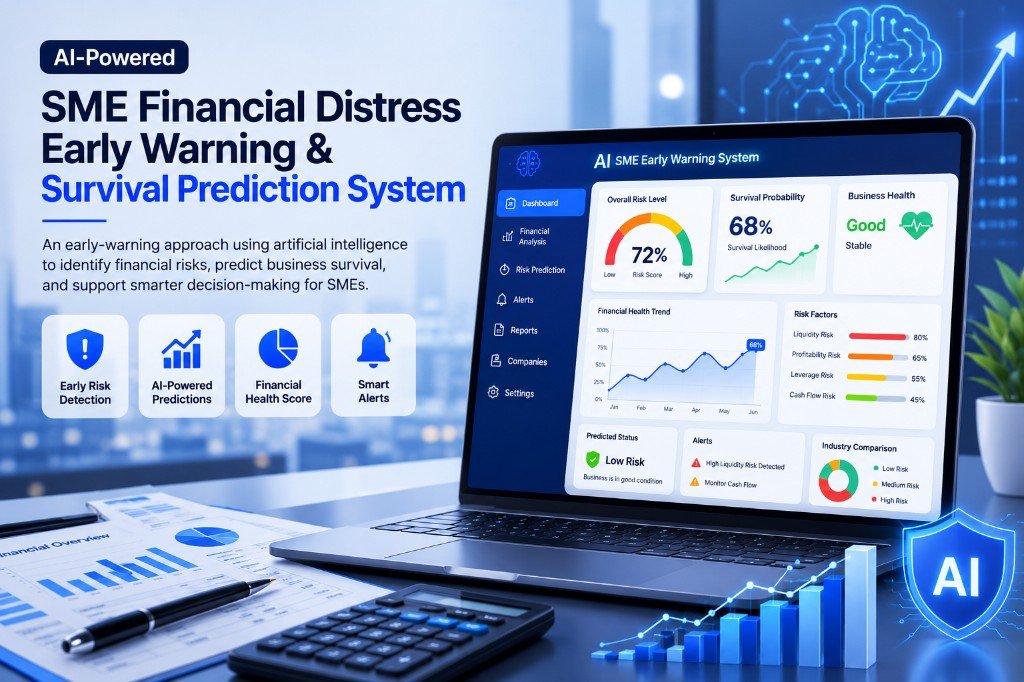
The project examines how artificial intelligence and behavioural analytics can improve tax compliance among small businesses in Pakistan by identifying the factors that influence registration, return filing, accurate reporting, and timely tax payments. It focuses on behavioural and institutional determinants such as perceived complexity, trust in tax authorities, compliance costs, digital literacy, perceived fairness, and attitudes toward electronic taxation. The need for such analysis is significant because the World Bank’s Pakistan Federal Public Expenditure Review identifies weaknesses in revenue mobilization and recommends simpler tax arrangements for small enterprises to reduce compliance costs and encourage formal participation.
The project uses AI-driven predictive analytics and machine-learning techniques to recognize compliance patterns, segment taxpayers according to behavioural risk, and identify small businesses that may require targeted information, assistance, or regulatory intervention. This approach is directly supported by Pakistan’s ongoing tax digitalization. The FBR Annual Performance Report 2023–24 reports that its machine-learning-based Compliance Risk Management engine identified eight of nine tested cases as risky, with subsequent proceedings generating more than PKR 3 billion in tax demand. FBR has also been developing a broader digital strategy and modernizing its IRIS-based services.
The project can provide an evidence-based decision-support framework for FBR, policymakers, business associations, and small enterprises, enabling compliance strategies to move from generalized enforcement toward more targeted, data-driven, and taxpayer-centered interventions. The World Bank reported in 2025 that FBR reforms had added 1.5 million new taxpayers and introduced upgraded IT infrastructure, business-intelligence tools, and data systems, with further investment planned in advanced analytics for detecting non-compliance. By combining these technological developments with an understanding of small-business behaviour, the project can contribute to greater voluntary compliance, reduced administrative burden, improved transparency, broader tax participation, and stronger public trust in Pakistan’s digital tax system.