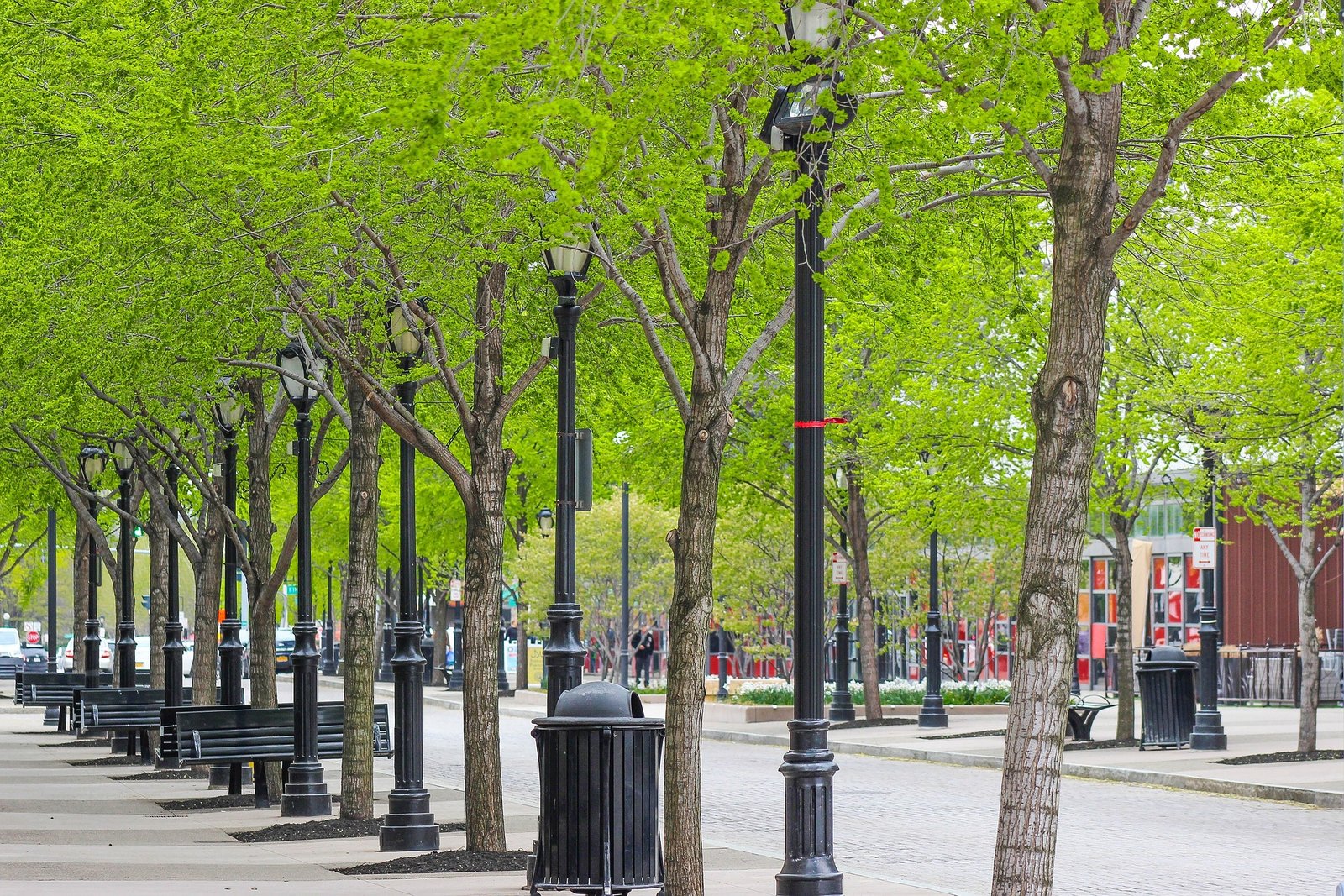
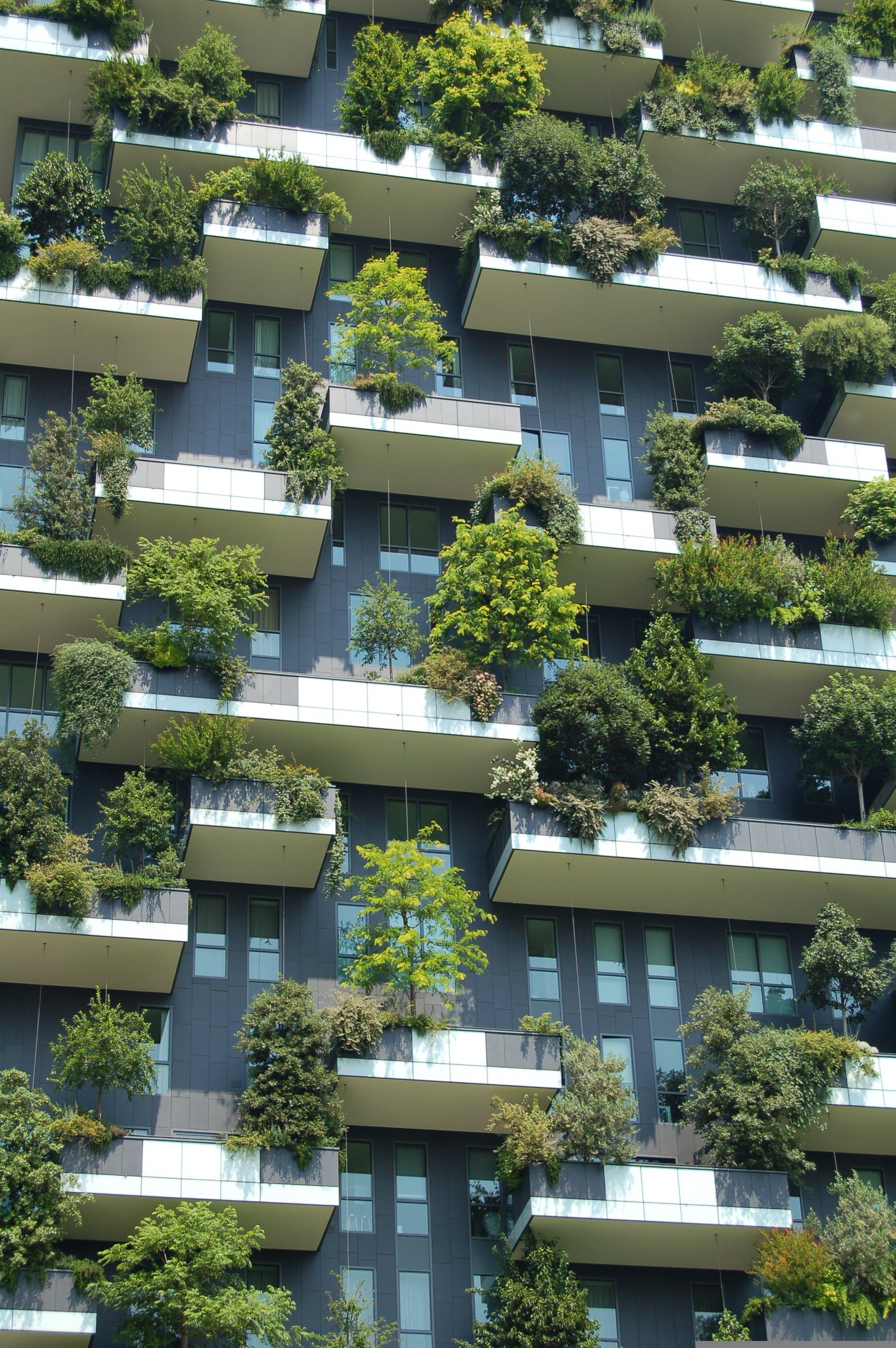
The project “Sustainable Urban Resilience in Pakistan: Community-Based Nature-Based Solutions (NBS) for Environmental Transformation”, led by Principal Investigator Dr. Aamir Sohail, was awarded a USD 10,000 grant by the Global Disaster Preparedness Center (GDPC), American Red Cross, USA. The project focuses on strengthening urban climate resilience in Pakistan through community-based Nature-Based Solutions (NBS) such as urban forests, green corridors, wetlands, rain gardens, permeable landscapes, restoration of natural drainage systems, and community-managed green spaces. The need is increasingly urgent: the World Bank’s Pakistan Country Climate and Development Report projects that Pakistan’s urban population could rise from about 37% in 2020 to 60% by 2050, while cities are already highly exposed to climate change, pollution, flooding, and inadequate municipal infrastructure.
The project examines how communities, local governments, civil society, and urban institutions can jointly design and implement NBS to reduce urban flooding, heat stress, environmental degradation, biodiversity loss, and water-management pressures. The World Bank’s Catalogue of Nature-Based Solutions for Urban Resilience identifies interventions such as urban forests, open green spaces, green corridors, wetlands, bioretention areas, river restoration, and floodplains as practical approaches that can simultaneously strengthen resilience and deliver environmental and social benefits. Pakistan already has a strong national precedent through Recharge Pakistan, a Green Climate Fund-supported initiative using ecosystem-based adaptation, green infrastructure, and community-based natural-resource management to improve flood and water resilience.
The project has strong potential to provide an evidence-based, community-centered model for sustainable urban transformation that can guide municipal authorities, policymakers, development agencies, and local communities in selecting and scaling context-specific NBS interventions. The urgency of resilient approaches is reinforced by Pakistan’s 2022 floods, which caused more than US$14.9 billion in damages and US$15.2 billion in economic losses, with at least US$16.3 billion required for resilient rehabilitation and reconstruction, according to the national Post-Disaster Needs Assessment supported by the World Bank, ADB, EU, UN agencies, and UNDP. By integrating ecological restoration with community participation and local governance, the project can contribute to safer cities, improved urban environments, stronger climate adaptation, enhanced ecosystem services, and more resilient communities across Pakistan.